

Why Tempura Is Winning Hearts in the U.S.
Japanese cuisine has become one of the most influential categories in the American foodservice landscape. Sushi, ramen noodles, and katsu (breaded fried cutlet) are now firmly established, and diners increasingly look for lighter, cleaner flavors.
Tempura fits perfectly into this trend. Its signature crispness and delicate taste offer a fried experience that feels refined rather than heavy.
Understanding Tempura’s Signature Lightness
When it comes to tempura, “lightness” means it’s clean and not greasy, an airy, crispy batter that lets the natural flavors shine.
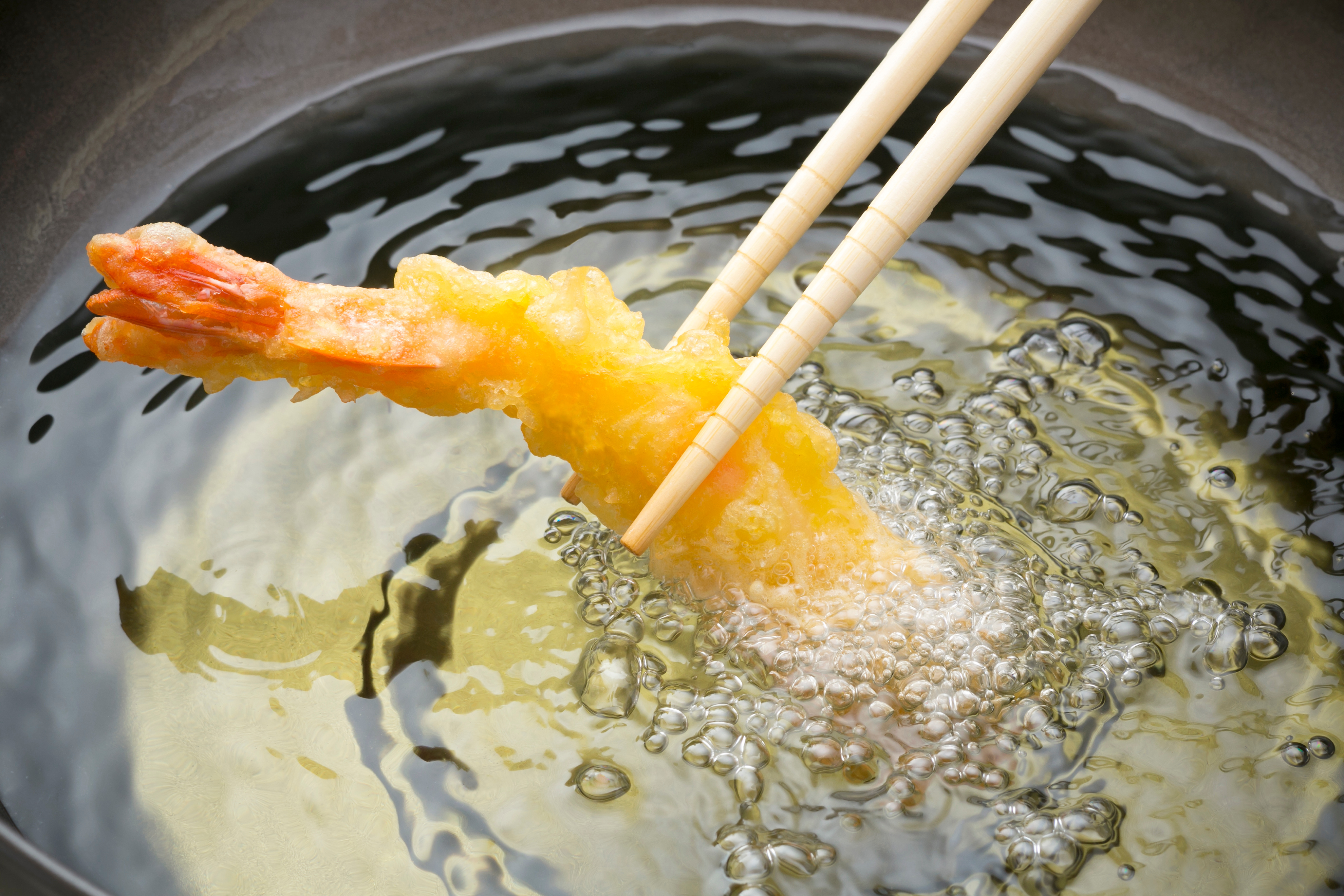
Properly made tempura has a thin, delicate coating, a pale golden look, and soaks up very little oil, so customers can enjoy fried food without feeling too full or heavy.
Yet creating authentic tempura is far more complex than simply frying batter-coated ingredients.
Achieving the characteristic lightness requires precision in technique, temperature control, and, most importantly, the right frying oil.
For Asian and Japanese restaurants across the U.S., understanding these fundamentals can improve menu quality and enhance customer satisfaction.
What Makes Tempura Different? The Japanese Approach to Frying
The Philosophy Behind Tempura
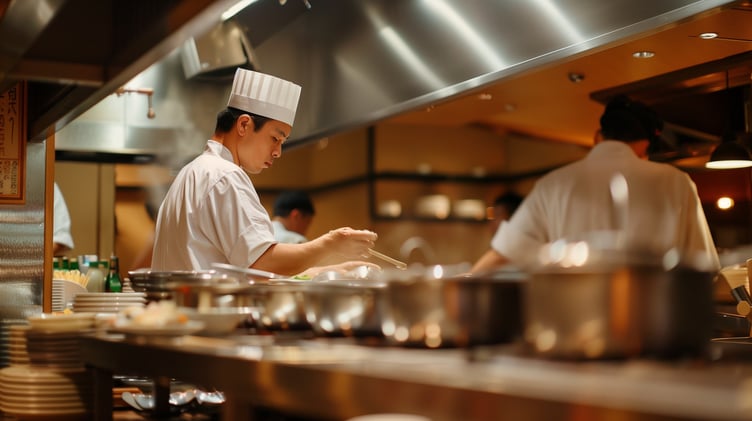
Tempura embodies a Japanese culinary philosophy centered on simplicity and respect for the natural flavor of ingredients.
Unlike Western frying styles that often rely on thicker, heavier coatings, tempura uses a thin, airy batter designed to highlight, not overpower, the food itself.
The result is a crisp yet delicate texture that feels light on the palate.
Key Elements of Japanese Frying Technique
Japanese tempura differs from Western frying techniques in several significant ways. One of the most important distinctions is temperature management.
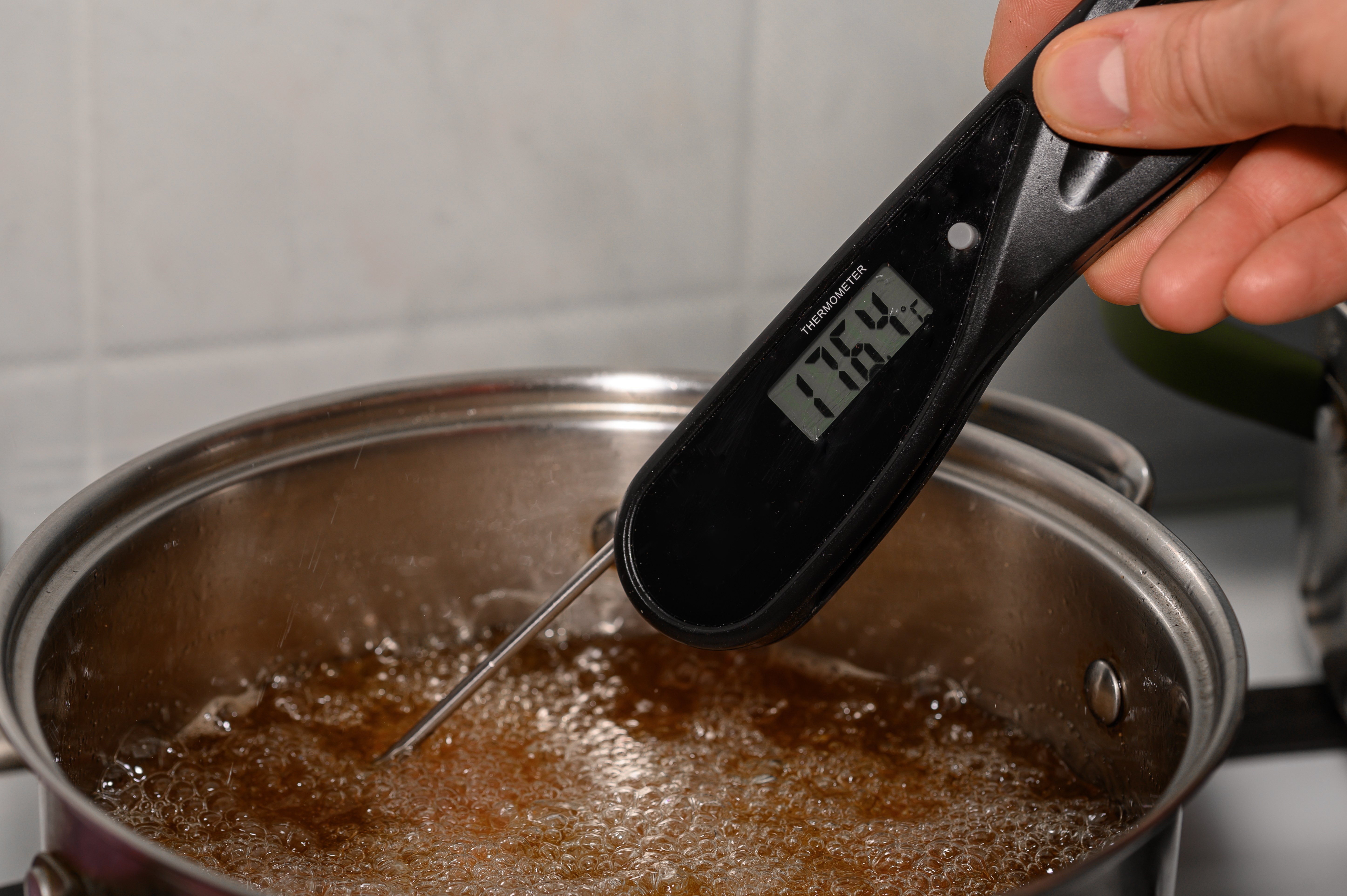
Tempura is traditionally fried at 170–185°C, a temperature notably higher than the range used for common Western fried foods such as fried chicken or French fries (often 150–165°C / 300–330°F). The higher heat allows ingredients to cook quickly, minimizing oil absorption. Because the batter seals almost instantly, the result is a crisp, delicate exterior with minimal greasiness and a clean finish that preserves the ingredients’ natural flavor.
Common Challenges in American Kitchens
Restaurants unfamiliar with Japanese frying often struggle with heavy batter, oily texture, or inconsistent results. These challenges usually stem from using unsuitable oils or not maintaining the temperature range required for true tempura.
Tempura Oil: Why the Choice of Oil Matters
The Science Behind “Lightness”
What sets high-quality tempura apart is its non-greasy feeling. Regular frying oils may absorb too easily into batter due to higher viscosity or inadequate heat stability. In contrast, specialty tempura oils are engineered to support high-temperature cooking and offer:
・Lower viscosity for reduced oil absorption・Strong heat stability at 170–185°C
・Clean draining characteristics to prevent sogginess
Flavor Clarity and the Background of Tempura Oils
Traditional Japanese frying often relied on sesame oil or cottonseed oil, valued for their clean aromas and heat resistance. Modern foodservice needs have led to refined blends, commonly combining canola, cottonseed, or palm-based oils, that replicate or improve these traits.
These blends deliver:
- ・A neutral, clean taste suitable for seafood and vegetables
- ・Greater resistance to oxidation
- ・Minimal flavor transfer between ingredients
Operational Benefits for Restaurants
High-performance tempura oil lasts longer, requires fewer changes, and maintains a stable frying environment, key factors in busy commercial kitchens.
Bringing Japanese Tempura to American Menus
Tempura’s Growing Appeal in the U.S.
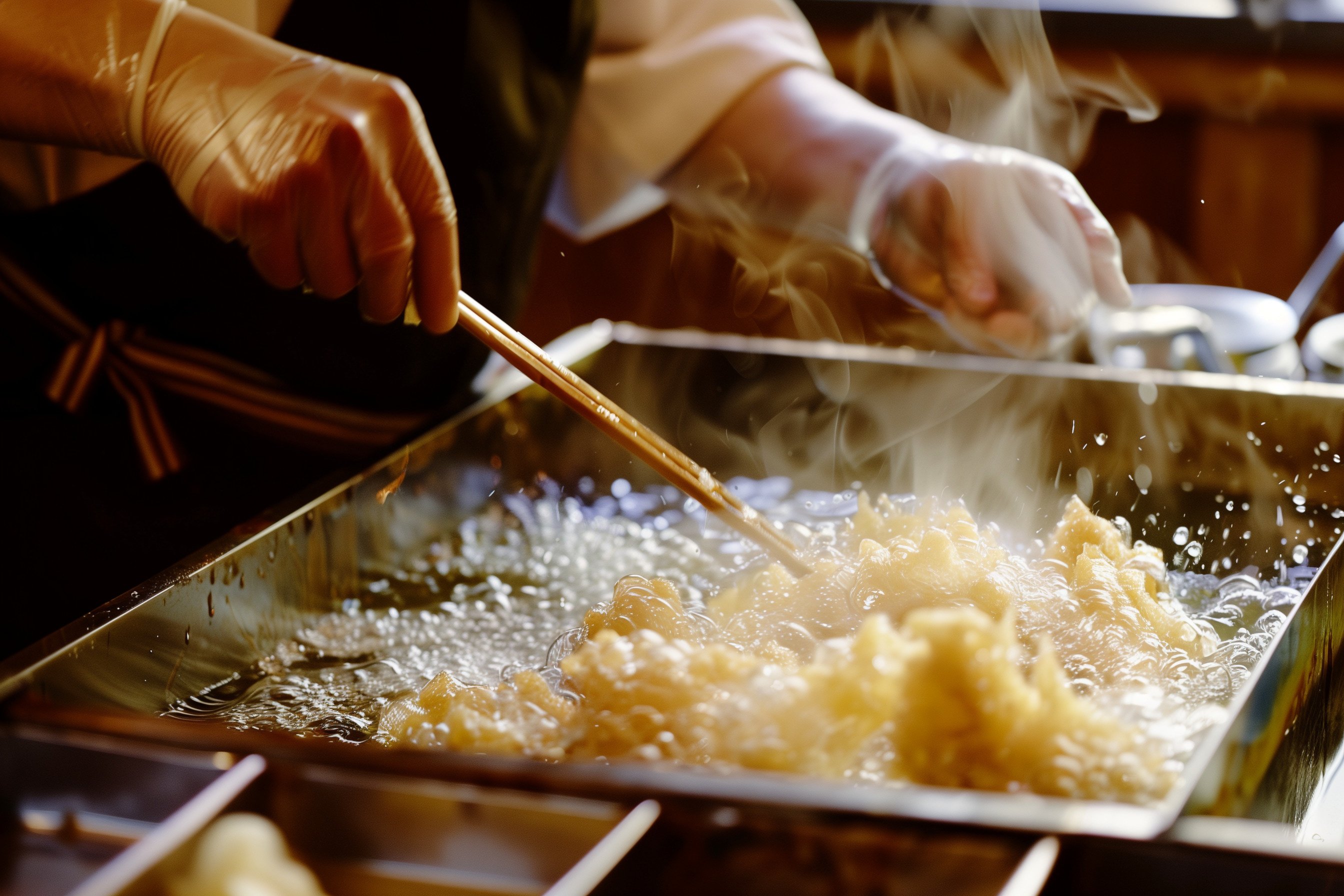
Tempura aligns seamlessly with the growing demand for Japanese and Asian cuisine in the United States. Diners increasingly seek fried foods that feel lighter and more refined, and tempura’s delicate crispness and versatility make it an attractive addition to modern menus. It works well as an appetizer, a ramen noodles topping, a side dish, or a component in creative fusion offerings.
Practical Considerations for Introducing Authentic Tempura
To produce high-quality tempura consistently, restaurants should focus on the fundamentals:
・Maintain oil temperatures of 170–185°C to ensure minimal oil absorption.- ・Mix batter gently with cold water to avoid gluten development.
- ・Prepare ingredients with proper moisture control and uniform sizing.
- ・Choose a stable, clean-tasting oil that prevents flavor transfer.
Applying these principles allows kitchens to deliver tempura that meets guest expectations for authenticity and quality.
Choosing the Right Tempura Oil for Your Restaurant
Key Factors to Evaluate
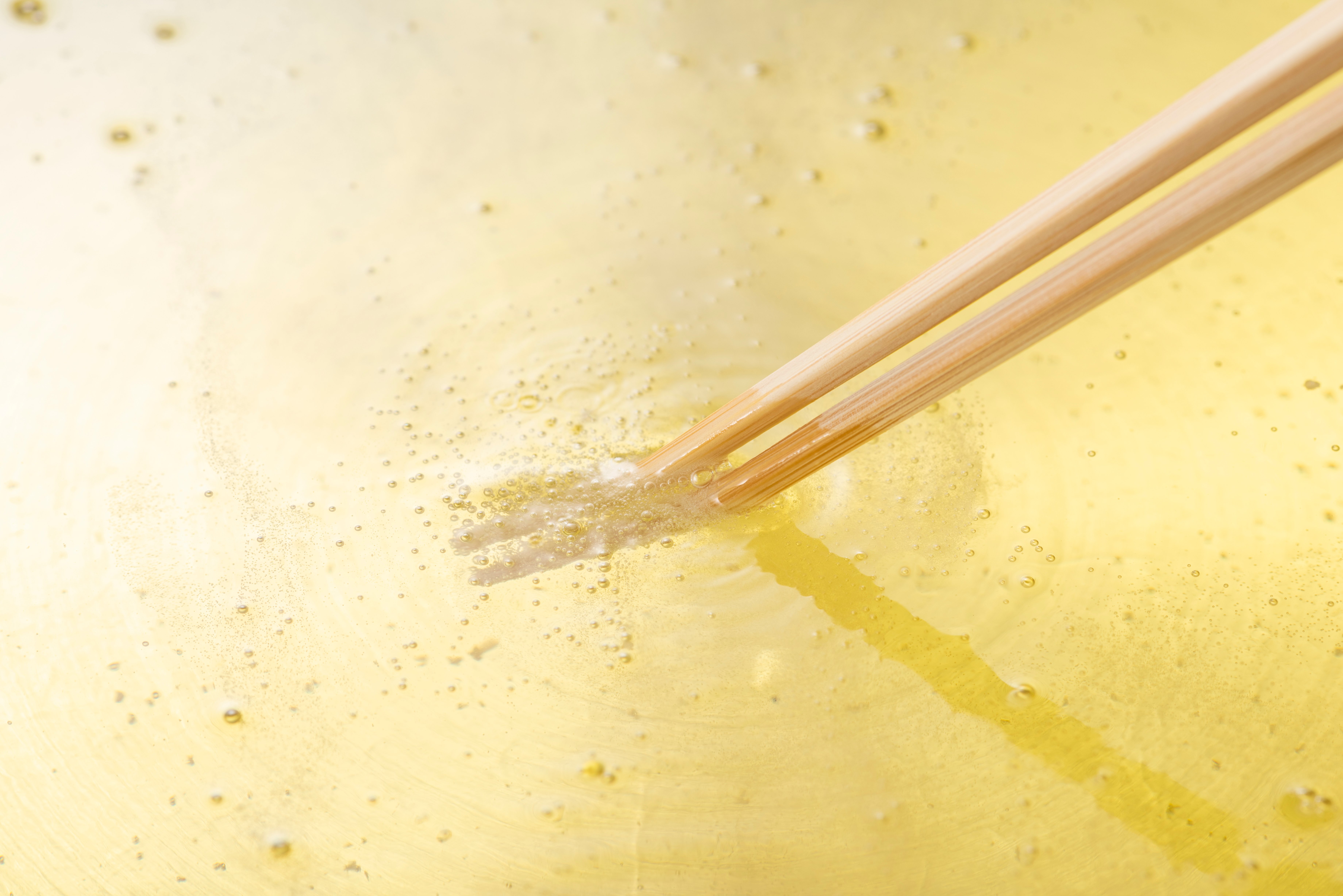
When selecting a tempura oil, operators should consider:
・Heat Stability: Does the oil perform well at 170–185°C without breaking down?・Neutral Flavor: Will the oil avoid masking delicate ingredients?
・Low Viscosity: Does it help produce a clean, non-greasy finish?
・Color Stability: Will it remain clear and light during prolonged use?
・Foam Control: Does it resist foaming that can disrupt operations?
・Suitability for High-Volume Use: Can maintain quality during peak service?
Modern Tempura Oil Compositions
While sesame or cottonseed oil played traditional roles in tempura frying, today’s foodservice operations often rely on hybrid blends, frequently canola, cottonseed, or palm-based formulations, designed for improved oxidation resistance, smoother flavor, and consistent results during continuous frying.
Bringing Lightness and Flavor Together
Tempura represents a refined Japanese approach to frying, one that celebrates lightness, clarity of flavor, and respect for ingredients. For American restaurants, adopting this technique offers a valuable opportunity to elevate menu quality and deliver a premium fried experience. By choosing the right oil, maintaining proper temperatures, and applying traditional Japanese methods, kitchens can achieve the crisp, clean texture that defines authentic tempura and resonates with today’s diners.
Experience Authentic Japanese Frying with Nisshin OilliO
With over 110 years of oil expertise, Nisshin OilliO supports authentic Japanese frying across North America. The company provides clean-taste, stable oils designed for Asian cuisine, along with best-practice guidance for chefs.