

Why the Same Dish Feels Different as Takeout
Many restaurant operators have encountered this situation, a dish that tastes perfect when served in the restaurant somehow feels disappointing once it’s eaten at home.
Nothing has changed: the recipe is identical, the ingredients are the same, and the cooking process hasn’t been altered, yet customers experience the takeout food as soggy, limp, or simply less enjoyable, especially when it comes to crispy items.
This gap between kitchen quality and customer experience is a problem most restaurants experience, and as takeout food becomes an increasingly standard part of restaurant operations, it’s a difference that can no longer be overlooked.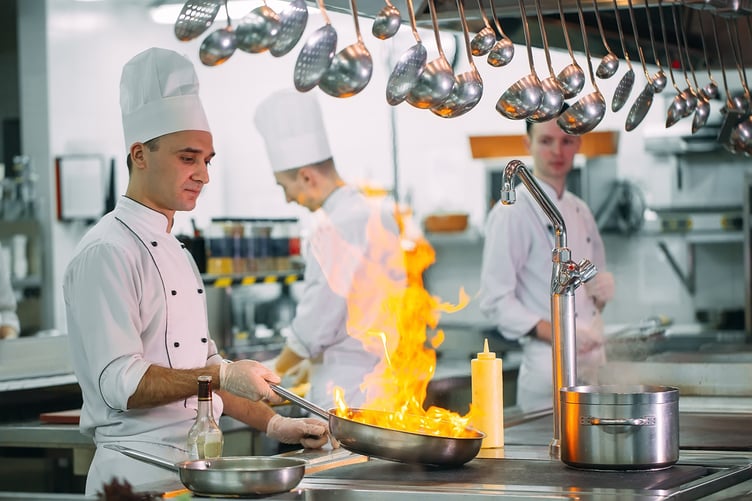
What Makes a Real Difference Between Dine-In and Takeout
The key difference between dine-in and takeout isn’t how the food is cooked; it’s what happens after cooking is finished.
With dine-in service, meals are eaten within minutes in a controlled environment, whereas takeout has additional steps introduced: packing, waiting time, transportation, and exposure to changing temperature and humidity.
This post-cooking phase plays a decisive role in how the food is ultimately experienced.
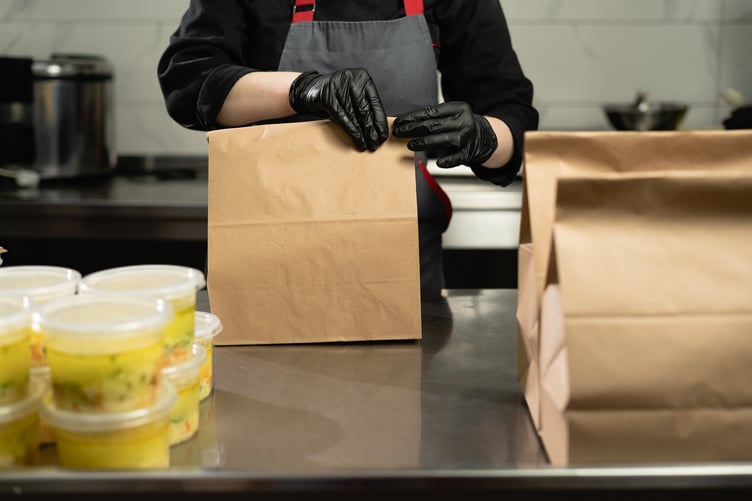
What Happens Inside the Takeout Container After Pickup
Once food leaves the kitchen, a predictable process begins. As hot food cools, it releases steam, when that food is placed into a container, the steam has limited space or no way to escape. During transport, as the container cools, moisture condenses and settles back onto the food’s surface.
The result is that even perfectly cooked food can lose its intended texture under these conditions.
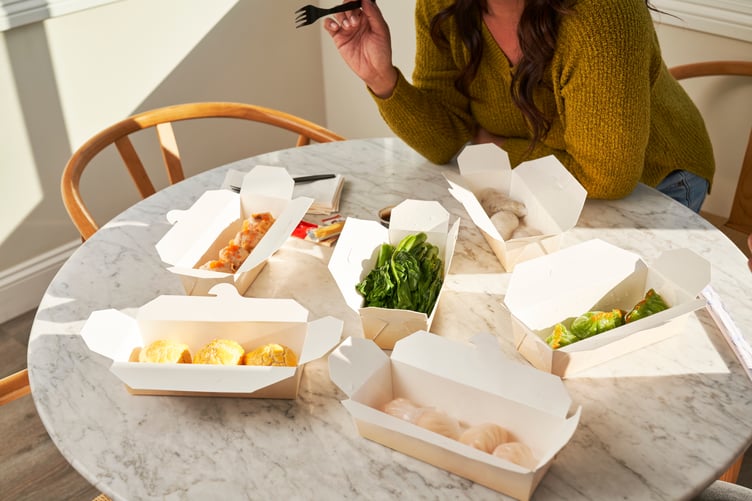
The Critical Minutes That Change Takeout Quality
Not all foods change at the same pace, thin, crispy items, such as french fries or light batters, often begin to lose texture within 10 to 15 minutes. Thicker or dense items tend to hold up longer.
Most takeout orders are eaten within 15 to 30 minutes of pickup, and that’s precisely when these quality changes become noticeable.
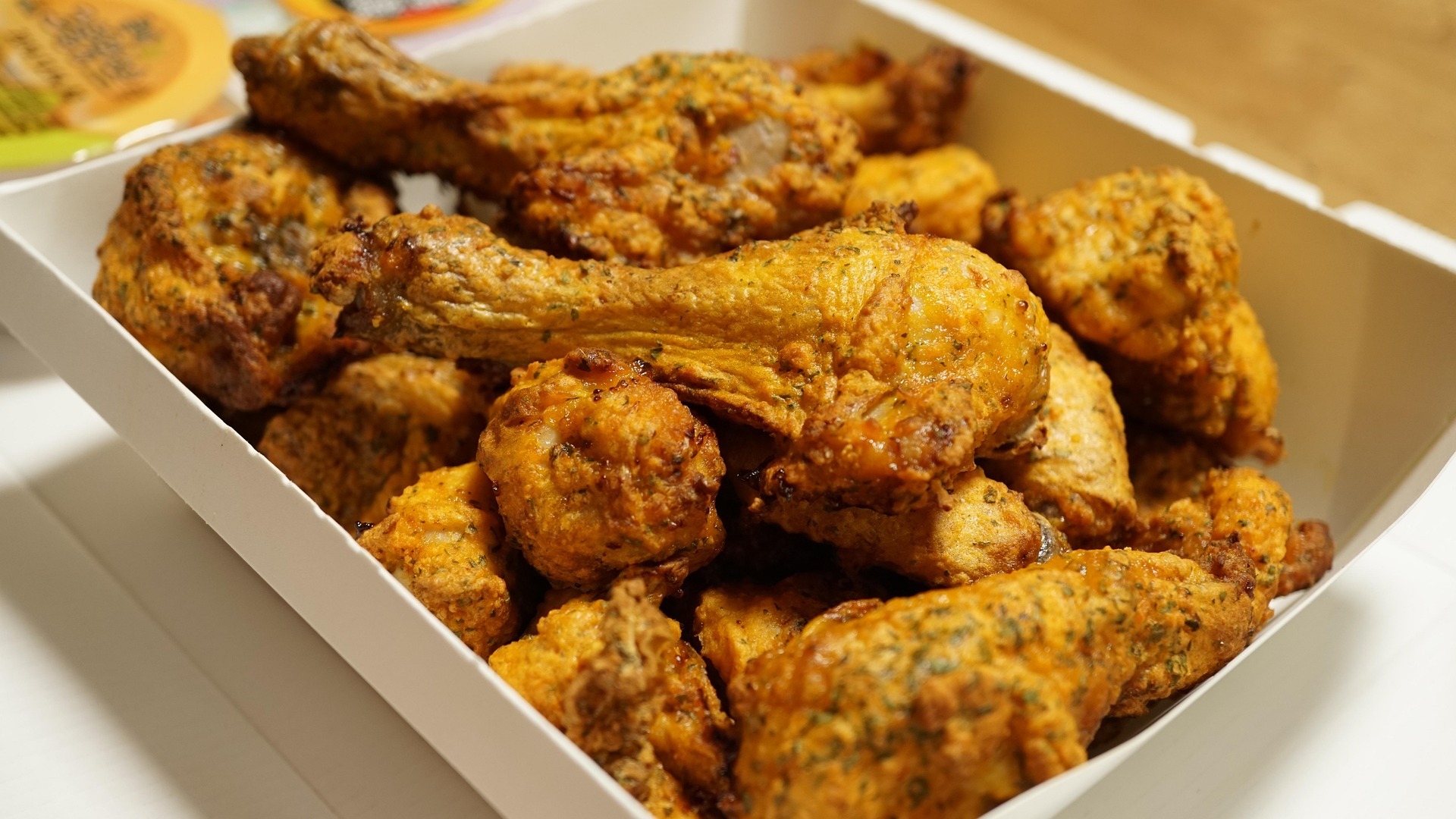
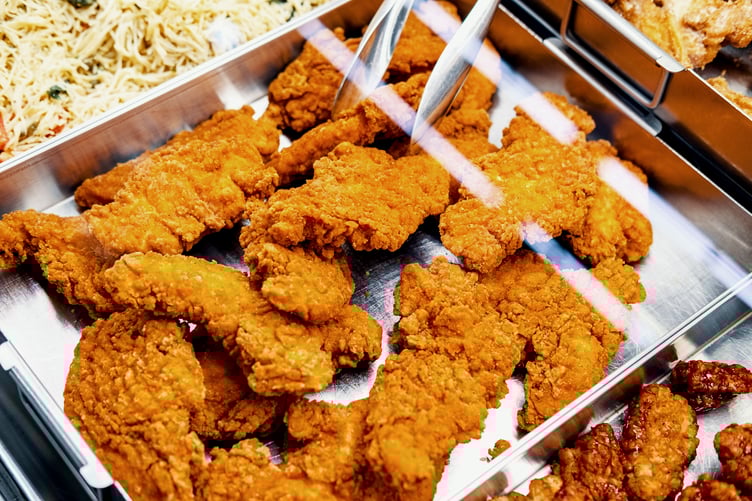
Why Fried and Crispy Menu Items Are Affected First
Crispy texture depends on keeping surface moisture low. During frying, moisture is driven out of the outer layers, creating a crisp structure.
However, fried coatings and batters are porous by nature. Once moisture re-enters, it is absorbed quickly. As the temperature drops, the structure weakens further, accelerating texture loss.
This is why fried foods are often the takeout menu items that generate the most complaints.
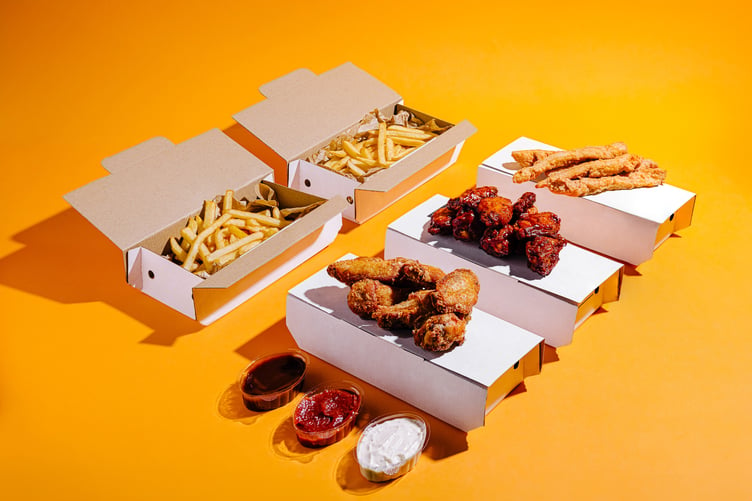
Factors That Accelerate Takeout Menu Items Quality Decline
To-go orders quality loss is rarely caused by a single issue. More often, multiple factors overlap, such as food being packed while steam release is still high, moisture being trapped inside the container, items being stacked or compressed, and delays before takeout pickup or consumption.
Addressing just one of these factors in isolation usually produces limited results.
From Takeout food “Quality Loss” to “Quality Change”
Rather than framing takeout challenges as quality loss, it’s more accurate to think of them as quality change.
Food designed for immediate consumption behaves differently from takeout that is eaten later and in a different environment. Applying dine-in logic directly to takeout often creates a mismatch between intention and reality.
How Restaurants Can Start Improving Takeout Food Performance
Restaurants that succeed with to-go food quality begin by rethinking the post-cooking stage.
They examine how food cools, how moisture affects texture over time, how preparation and packing timing influence results, and how menu design supports takeout use cases.
Small, deliberate adjustments across these areas can significantly extend quality retention.
Designing for the Moment of Eating
A useful question is: When is the food actually finished?
If the answer is “at plating,” many takeout problems remain unsolved. If the answer is “when the customer eats it,” design decisions naturally shift toward takeout realities.
Rethinking Takeout Quality
To-go orders quality issues are neither random nor unavoidable. In most cases, they result from predictable interactions between food, time, temperature, and moisture after it leaves the kitchen. By understanding how these factors affect takeout meals, restaurants can improve takeout quality and consistency, without compromising their brand identity, cooking standards, or dining experience.