

A Closer Look at Non-GMO
In recent years, the term Non-GMO has become increasingly visible in grocery stores, restaurant menus, and food manufacturing specifications. Consumers, chefs, and food buyers often encounter this term when selecting ingredients such as cooking oils, sauces, and packaged foods.
Despite its widespread use, the meaning of Non-GMO is not always clearly understood. Some people assume that Non-GMO foods are automatically healthier, while others believe the term is the same as organic certification. In reality, Non-GMO refers specifically to whether genetically modified crops were used during production.
Understanding what Non-GMO actually means can help food professionals make more informed decisions about sourcing and product development. This article explains the basics of GMO technology, why Non-GMO ingredients have gained attention, and how the concept applies to widely used cooking oils such as soybean oil and canola oil.
What Does GMO Mean?
GMO stands for Genetically Modified Organism. In agriculture, the term refers to crops whose genetic material has been modified using modern biotechnology to introduce specific traits.
These modifications are typically designed to improve agricultural efficiency or crop performance. Common traits introduced through genetic engineering include resistance to insects, tolerance to certain herbicides, or improved crop yield.
Regulatory agencies in many countries evaluate genetically modified crops before they are approved for use in food. Organizations such as the U.S. Food and Drug Administration (FDA), the World Health Organization (WHO), and the European Food Safety Authority (EFSA) have concluded that currently approved GMO foods are safe to eat.
Examples of GMO Crops
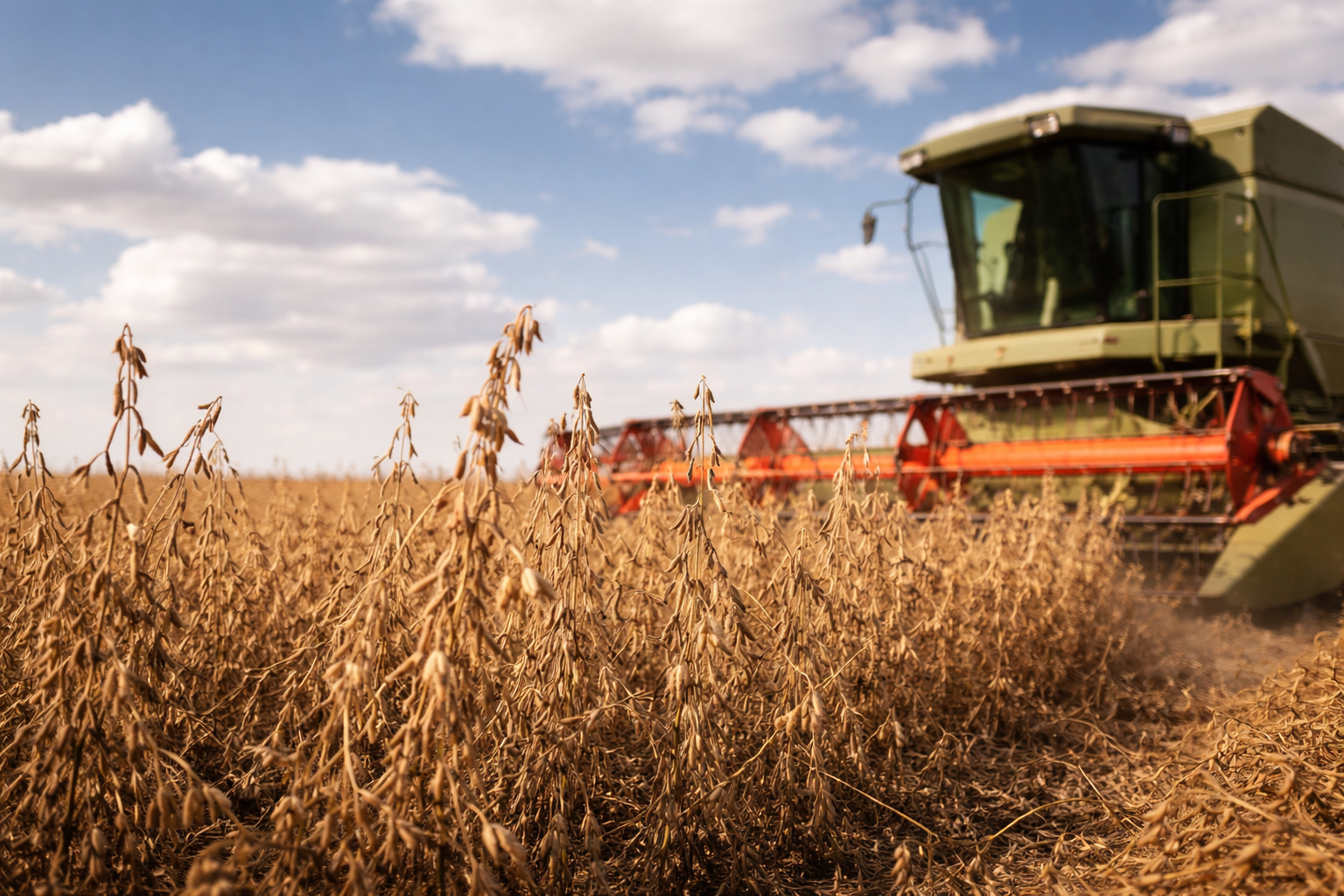
Several widely grown crops include genetically modified varieties. Two well-known examples are:
Bt corn: engineered to produce a protein derived from the bacterium Bacillus thuringiensis that helps protect the plant from certain insect pests.
Roundup Ready soybeans: genetically engineered to tolerate the herbicide glyphosate, allowing farmers to control weeds more efficiently without damaging the crop. These technologies were developed to increase agricultural productivity and simplify crop management.
What Is Non-GMO?
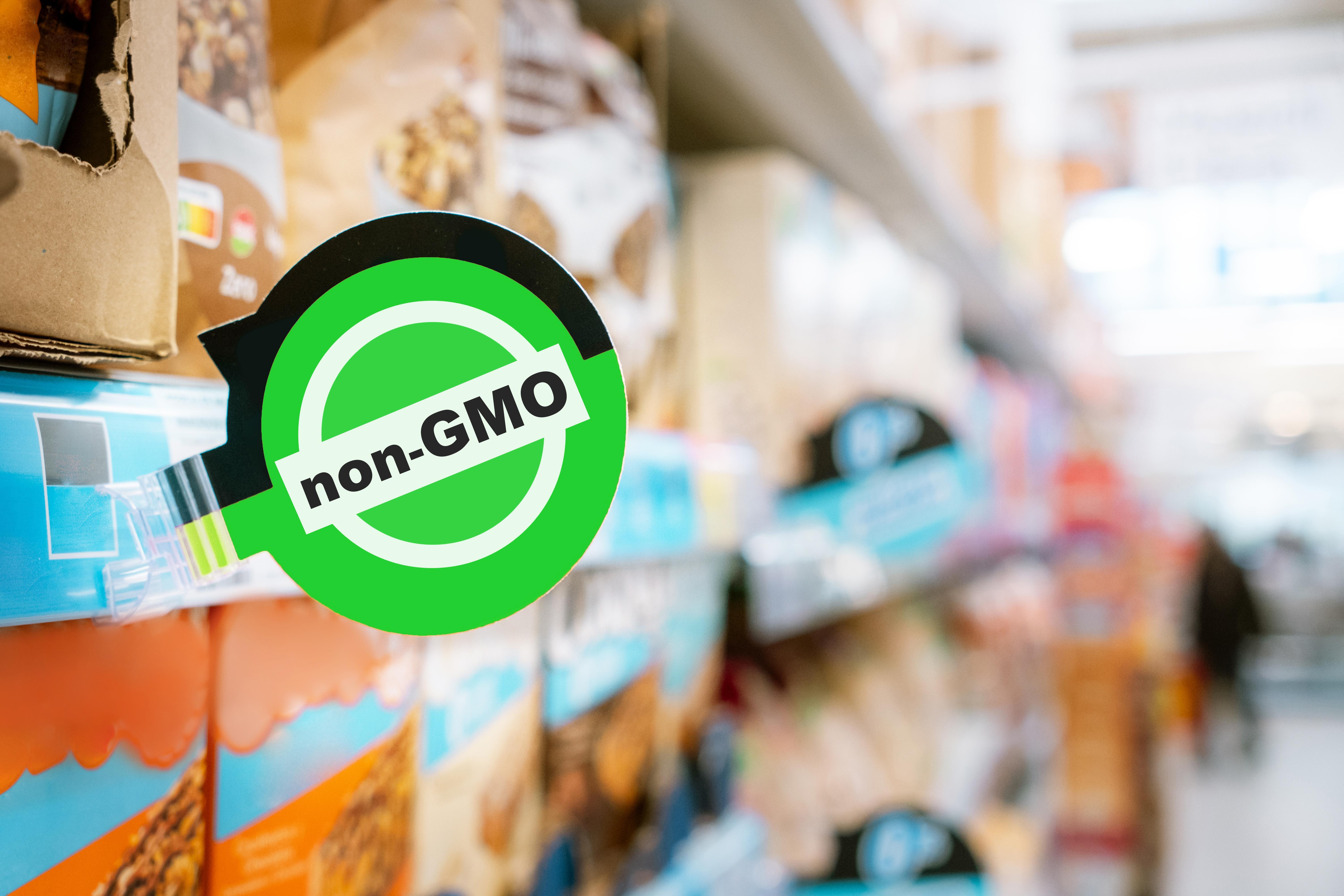
Non-GMO refers to food products that are produced without the use of genetically modified crops.
One of the most widely recognized verification systems in North America is the Non-GMO Project, a third-party verification program. Products that meet the program’s standards can display the Non-GMO Project Verified butterfly label, indicating that the product has been independently reviewed to confirm compliance with Non-GMO standards.
The verification process typically requires traceability throughout the supply chain, segregation of raw materials, and periodic testing for the presence of genetically modified DNA.
It’s important to understand that Non-GMO is not the same as organic certification. Organic production involves additional requirements related to farming practices, pesticide use, and soil management. A product may be Non-GMO without being certified organic.
Why Consumers Are Interested in Non-GMO Foods
Interest in Non-GMO foods has grown as consumers become more interested in understanding how their food is produced. For some consumers, choosing Non-GMO ingredients reflects a preference for transparency in the food supply chain. Others associate Non-GMO with broader concepts such as natural ingredients or sustainable agriculture.
In the United States, transparency regarding genetically engineered foods has also increased through the National Bioengineered Food Disclosure Standard, which requires certain foods containing bioengineered ingredients to be labeled.
While the scientific consensus is that approved GMO foods are safe, the growing interest in ingredient sourcing has led many food manufacturers and restaurants to offer Non-GMO options.
Non-GMO and Cooking Oils
Cooking oils are one of the ingredient categories where the Non-GMO discussion frequently arises.
Many commonly used vegetable oils in North America are derived from crops where genetically modified varieties are widely cultivated. These include soybeans, canola (rapeseed), and corn.
According to data from the U.S. Department of Agriculture (USDA), genetically modified varieties account for the majority of soybean and corn production in the United States.
Because genetically modified crops are common in large-scale agriculture, producing Non-GMO oils requires careful sourcing and supply chain management.
What Actually Determines Cooking Oil Performance?
When evaluating cooking oils, the chemical characteristics of the oil typically have a greater influence on cooking performance than whether the oil is GMO or Non-GMO.
Important factors include fatty acid composition, oxidative stability, smoke point, and refining processes.
Most commercial cooking oils are processed through refining, bleaching, and deodorizing (RBD). This process removes impurities, neutralizes unwanted flavors, and improves the oil’s stability and shelf life.
Why Non-GMO Cooking Oils Can Be More Expensive

One common question is why Non-GMO cooking oils sometimes cost more than conventional oils.
The primary reason is the additional supply chain controls required to keep Non-GMO crops separate from genetically modified crops. This process is often referred to as Identity Preservation (IP).
Identity preservation systems may include segregated harvesting at the farm level, dedicated storage facilities, controlled transportation, documentation and traceability, and periodic DNA testing to verify the absence of GMO traits.
Because these systems require additional logistics, monitoring, and verification, Non-GMO supply chains are typically more complex than conventional commodity crop supply chains. These additional steps can increase production and handling costs, which may be reflected in the price of Non-GMO oils.
Choosing the Right Cooking Oil

Selecting the right cooking oil usually involves balancing several factors, including cooking performance, ingredient sourcing preferences, supply stability, and cost considerations.
Some businesses choose Non-GMO oils to align with their ingredient transparency goals or customer expectations. Others prioritize functional characteristics such as frying stability or cost efficiency.
Understanding how cooking oils are produced—and how factors such as fatty acid composition, refining processes, and supply chain management affect oil performance—can help buyers make more informed decisions.
Practical Implications
Non-GMO refers to ingredients produced without genetically modified crops. As interest in ingredient sourcing and transparency continues to grow, Non-GMO foods have become more visible in both retail and foodservice markets.
At the same time, the performance of cooking oils is influenced by scientific and processing factors such as fatty acid composition, oxidative stability, and refining methods.
By understanding both the agricultural background of Non-GMO crops and the technical characteristics of cooking oils, food professionals and consumers can make informed decisions when selecting cooking oils.