

In recent years, terms such as “organic” and “non-GMO” have become increasingly common in the foodservice industry. This reflects growing consumer interest in health, sustainability, and ingredient sourcing. At the same time, these terms are often used interchangeably, and their meanings are not always clearly understood.
This article explains the fundamentals of organic oil, clarifies how it differs from related concepts, and provides a practical perspective for restaurants evaluating cooking oil options.
What Is Organic?
Organic refers to agricultural products and processed foods that are produced using methods designed to reduce environmental impact, including limiting the use of synthetic pesticides and fertilizers. In the United States, products must meet USDA standards in order to be labeled as “organic.”
For example, conventional farming may involve the use of synthetic pesticides or fertilizers, which are not permitted under organic standards. Similarly, the use of genetically modified organisms (GMOs) or non-certified ingredients is generally not allowed.
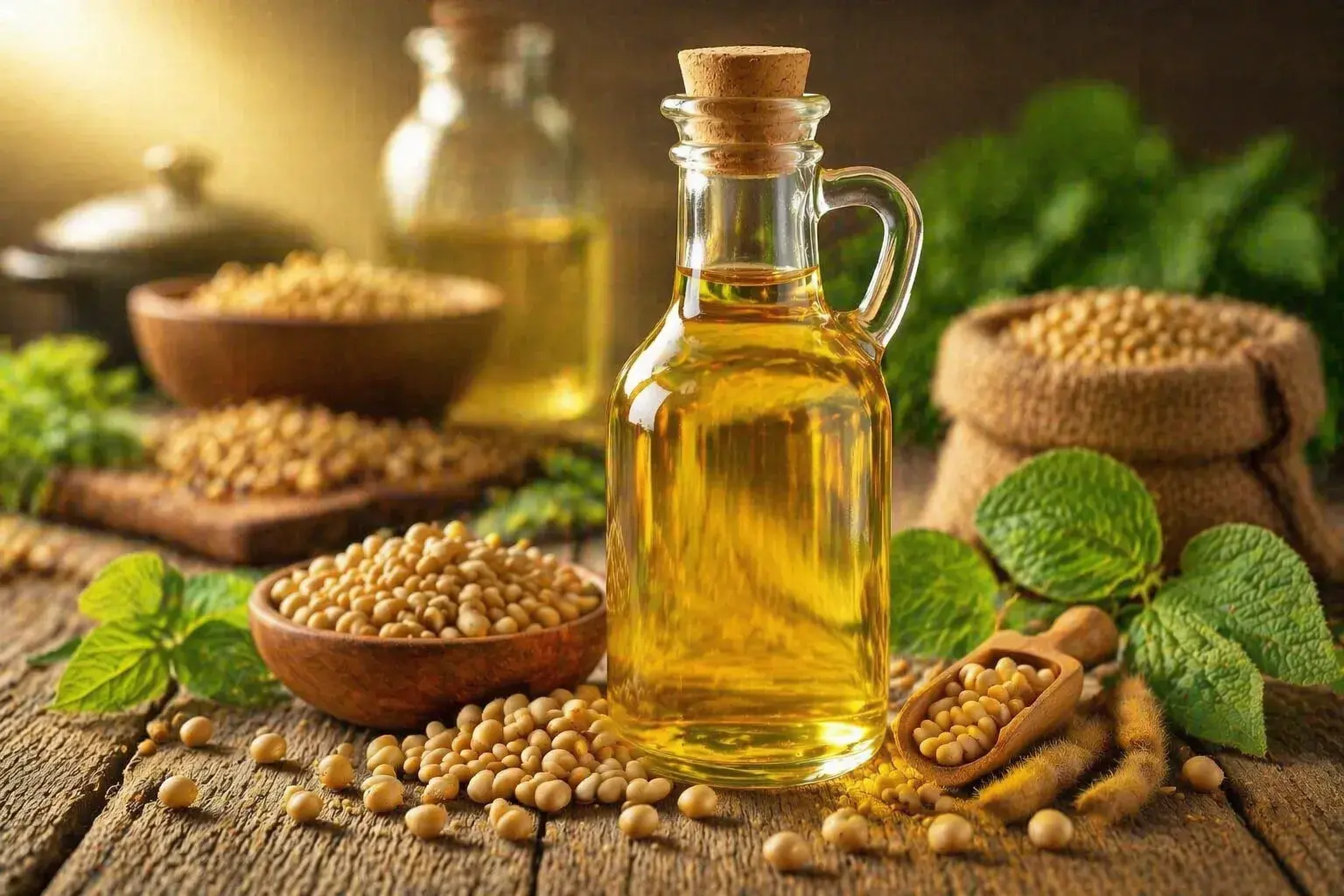
In the case of cooking oil, this means that raw materials such as soybeans or canola must be grown on certified organic farms, and processing methods must also meet specific requirements. As a result, organic oil represents a system of controlled production from sourcing through manufacturing, not simply a “natural” ingredient.
How Is Organic Different from Non-GMO?

Non-GMO refers specifically to ingredients that are not produced using genetic modification. It focuses on the characteristics of the raw material itself. Organic, by contrast, is a broader concept that includes farming practices, production processes, and environmental considerations, in addition to the exclusion of GMOs. While the two concepts overlap, they are not the same.
The key differences can be summarized as follows:
|
Category |
Non-GMO |
Organic |
|
Genetic Modification |
Not used |
Not used |
|
Synthetic Pesticides & Fertilizers |
May be used |
Generally not allowed |
|
Chemical Solvents (Extraction) |
May be used |
Not used (e.g., mechanical pressing) |
|
Main Certifications / Labels |
Non-GMO Project Verified, etc. |
USDA Organic, JAS Organic, etc. |
For a more detailed explanation of Non-GMO, see:
https://foodservice.nisshin-oillio-america.com/library/non-gmo
Why Are These Concepts Gaining Attention?
The growing attention to organic and non-GMO products reflects broader changes in consumer behavior.
One factor is increased interest in ingredient sourcing and production processes. Consumers are paying more attention not only to what is used in food, but also how it is produced. Environmental and sustainability considerations are also becoming more important. This trend is evident in North America as well.
For example, according to a 2024 study by Deloitte, around two-thirds of Millennials and Gen Z say they consider environmental sustainability when making purchasing decisions. Roughly half also report actively changing their behavior to reduce environmental impact. At the same time, the study highlights that practical factors such as price and convenience remain important, and sustainability is not always the top priority.
As a result, while sourcing and production information can add value for certain customer segments, its importance varies depending on the concept and target audience.
Source: Deloitte, 2024 Gen Z and Millennial Survey:
https://www.deloitte.com/global/en/about/press-room/deloitte-2024-gen-z-and-millennial-survey.html
What This Means for Cooking Oils (Canola Oil, Soybean Oil, etc.)
Soybean oil and canola oil are widely used in foodservice, but they are also among the oils most often discussed in relation to sourcing and production.Non-GMO oils provide value by ensuring that raw materials are not genetically modified. Organic oils add another layer of value by incorporating environmental and production considerations.
However, in practical cooking applications, these labels alone do not determine suitability.
Factors such as smoke point, oxidative stability, and flavor should also be considered based on the intended use.
How Consumers Perceive Organic Oil

When restaurants evaluate organic oil, it is important to understand how these attributes are perceived by customers. There are multiple factors that influence oil selection, and organic is just one of them. Non-GMO, for example, is another commonly referenced consideration.
In general, many consumers do not clearly distinguish between organic and non-GMO. While non-GMO refers to the absence of genetic modification and organic encompasses broader production practices, these distinctions are not always top of mind.
Organic is often associated with being more natural and providing a greater sense of reassurance.
Even without a detailed understanding, it is frequently linked to environmentally responsible production.
Non-GMO, on the other hand, is often perceived as avoiding a specific concern (genetic modification) and may be seen as a more limited attribute.In some cases, consumers do not differentiate between the two at all, instead viewing both as indicators of better or more carefully selected ingredients.
Because of this, the key for restaurants is not necessarily to emphasize technical differences, but rather to communicate a broader sense of thoughtful ingredient selection. Ultimately, oil choices should be evaluated based on how they align with customer expectations and brand positioning, rather than on labels alone.
Cost Considerations

Organic oils are typically more expensive than conventional options due to differences in production methods, certification, and supply.
Organic oil costs are also influenced by sourcing constraints and production requirements. For example, organically certified soybeans represent only a small share of the overall soybean market, and supply remains relatively limited. As a result, securing a stable supply of organic raw materials can be more constrained compared to conventional alternatives.
In addition, organic production requires stricter controls, including limitations on synthetic inputs as well as careful segregation throughout processing. These factors combined contribute to the higher cost structure typically associated with organic oils.
Improve Your Restaurant’s Operations with Rice Cooking Oil
Demand for organic ingredients continues to grow, the U.S. organic food market has exceeded $60 billion and continues to expand steadily, according to the Organic Trade Association. This dynamic, growing demand alongside constrained supply, helps explain the cost structure associated with organic oils.
However, price alone does not determine their value. Depending on the concept, organic oils may contribute to menu quality and brand positioning, particularly in operations that emphasize ingredient transparency or sustainability.
In contrast, for high-volume applications such as frying, cost and operational efficiency may take priority. For this reason, many restaurants take a selective approach, using different oils depending on the application to balance cost and value.
Ultimately, cost is just one factor, cooking oil decisions are typically made by considering performance, stability, application, and menu positioning together.
Conclusion
Organic oil represents a production approach that considers not only the raw material but also farming practices and processing methods, making it a broader concept than non-GMO. At the same time, consumers do not always clearly distinguish between these terms, often viewing them more generally as indicators of ingredient quality and care.
For restaurants, selecting the right cooking oil requires balancing multiple factors, including application, performance, supply, cost, and perceived customer value. Understanding how these elements work together is key to making informed and effective decisions.
FAQ: Organic Oil in Foodservice
Is organic oil more expensive than regular cooking oil?
In general, organic oil cost is higher than conventional options due to production methods, certification, and supply constraints. However, the overall impact depends on how the oil is used, and in some cases it may contribute to menu value or brand positioning.
Do consumers care about organic oil?
Consumer awareness varies. Some customers, particularly those interested in sustainability and ingredient transparency, may view organic oil as a positive attribute. At the same time, many consumers do not actively distinguish between organic and non-GMO, and purchasing decisions are influenced by multiple factors such as price, convenience, and overall menu appeal.
Is organic oil more sustainable?
Organic production methods are generally designed to reduce environmental impact, including limiting the use of synthetic chemicals.
However, sustainability can be evaluated from multiple perspectives, and the overall impact may vary depending on sourcing and usage.
Should restaurants use organic oil?
There is no single answer.The decision depends on the concept, target customers, menu positioning, and operational requirements.Many restaurants evaluate organic oil as one of several options rather than a universal solution.
Request a sample and discover the benefits of rice-cooking oil for yourself.
[Request a Sample Here]