

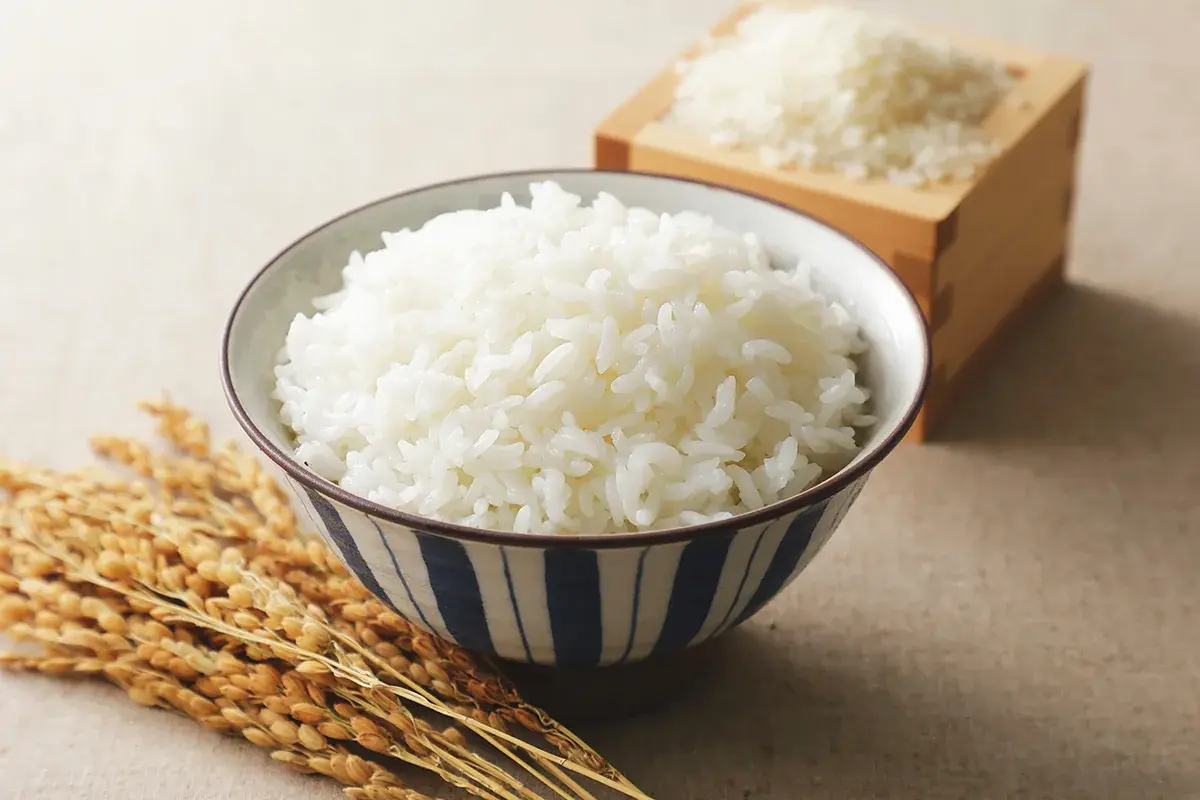
Rice is one of the most important staple foods in the world, but it’s also one of the most sensitive to small mistakes. A slight change in water ratio, rinsing method, storage time, or reheating technique can completely change the final result, turning fluffy rice into something sticky, dry, or bland.
Even small inconsistencies in rice texture or storage behavior can scale into major quality variation in high-volume food operations.
This guide serves as a practical pillar resource for both:
• Everyday home cooks aiming for reliable rice results
• Food operators looking to stabilize rice quality at scale
It breaks down the most common rice problems and shows practical, repeatable fixes. It also introduces a simple but powerful optimization tool used in both home and commercial kitchens: the controlled use of oil to improve texture, reduce sticking, and stabilize post-cook performance.
Cooking Problems: Sticky, Dry, or Uneven Rice
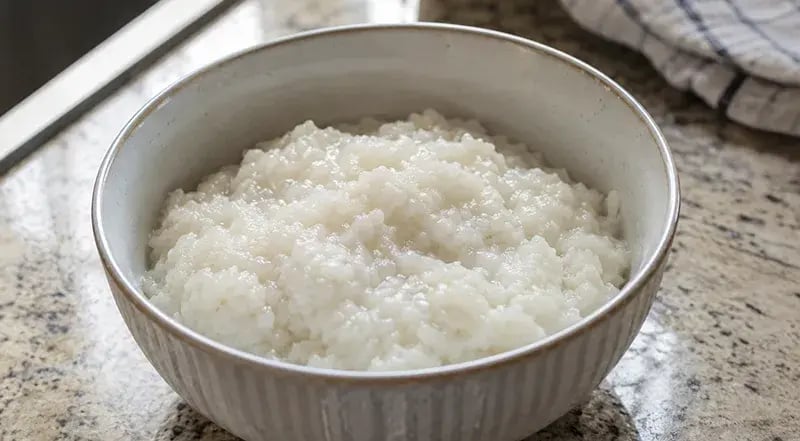
Most rice problems start at the cooking stage. Even high-quality rice can fail if the preparation is slightly off.
Problem: Rice is too sticky or mushy
This is one of the most common issues, especially for beginners.
Main causes:
• Too much water
• Overcooking
• Not rinsing starch properly
• Leaving rice too long in “keep warm” mode
Fixes:
• Reduce water by 5–10%
• Rinse rice 2–4 times until water is mostly clear
• Avoid excessive soaking (20–30 min is enough)
• Let rice steam for 10 minutes after cooking before opening lid
Where Rice Tech oil helps:
Adding a small amount of oil (½–1 tsp per cup of rice) before cooking can:
• Coat starch granules and reduce excessive stickiness
• Improve grain separation
• Create a slightly “fluffier” texture, especially in jasmine or medium-grain rice
This is especially useful if your rice tends to turn into a dense block after cooking.
Problem: Uneven cooking (hard center, soft outside)
Main causes:
• Uneven heat distribution
• Insufficient soaking
• Incorrect rice cooker mode
Fixes:
• Soak rice before cooking
• Mix gently after cooking to redistribute steam
• Use correct rice setting (white rice / short grain / quick cook depending on rice type)
Where Rice Tech oil helps:
Oil helps slightly by improving heat transfer and reducing clumping, which allows more even steam circulation between grains.
Problem: Rice is too dry or hard
Dry rice usually means under-hydration or too much evaporation.
Main causes:
• Too little water
• Lid not sealed properly
• Rice is old and has lost moisture
Fixes:
• Increase water slightly (5–10%)
• Ensure tight lid during cooking
• Soak rice 20–30 minutes before cooking
Where Rice Tech oil helps:
Oil does not directly add moisture, but it helps by:
• Slowing moisture loss during cooking
• Creating a slight barrier that improves heat distribution
• Making rice feel softer even at lower water ratios
This is useful when you want softer rice without making it mushy
 For more in-depth information, please see the following article:
・Preventing Dry Rice: Tips for Keeping It Soft and Flavorful
・Why Does Fried Rice Become Mushy? Common Mistakes and Fixes
Storage & Reheating Problems: Hard, Dry, or Smelly Rice
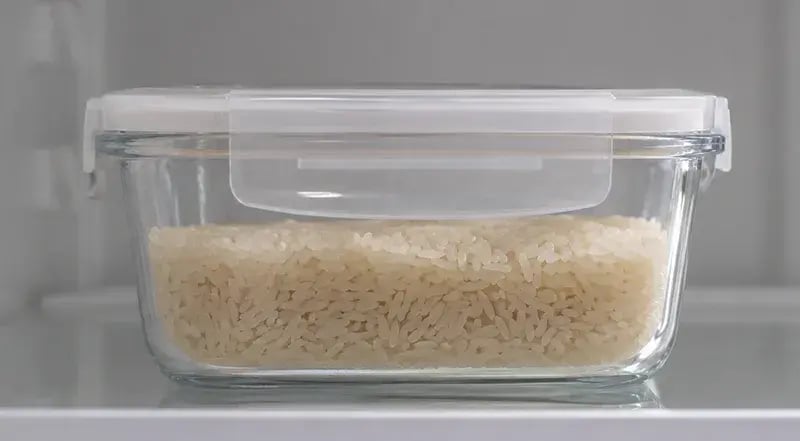
Rice changes chemically after cooking. As it cools, starch molecules recrystallize (retrogradation), making rice hard and dry.
Problem: Rice becomes hard in the fridge
Causes:
• Starch retrogradation during cooling
• Exposure to air
• Slow cooling process
Fixes:
• Cool rice quickly after cooking
• Store in airtight containers
• Refrigerate within 1 hour
Where Rice Tech oil helps:
Adding a small amount of oil before cooking:
• Slows starch hardening
• Helps rice stay softer after refrigeration
• Reduces “brick-like” texture the next day
This is one of the most effective but underused tricks for meal prep rice.
Problem: Rice dries out when reheated
Causes:
• Microwave evaporation
• Lack of moisture restoration
Fixes:
• Add 1–2 tsp water before reheating
• Cover while reheating to trap steam
• Reheat in short intervals
Where Rice Tech oil helps:
Oil improves reheated rice quality by:
• Preserving moisture perception
• Preventing grains from sticking together tightly
• Keeping a softer mouthfeel even after refrigeration
This is especially useful for meal prep or lunch boxes.
Problem: Rice smells off after storage
Causes:
• Slow cooling
• Bacterial growth
• Poor storage conditions
Fixes:
• Cool rice quickly
• Store in shallow containers
• Avoid leaving rice at room temperature too long
Where Rice Tech oil helps:
Oil does not prevent spoilage, but it can reduce perceived dryness and “stale texture” after reheating, improving overall eating experience.
For more in-depth information, please see the following articles:
・Delicious Rice, Every Time: Learn Why Rice Loses Its Flavor and What You Can Do About It
・How to Keep Rice Soft Longer Without Drying Out
Taste & Quality Problems: Bland or Unpleasant Rice
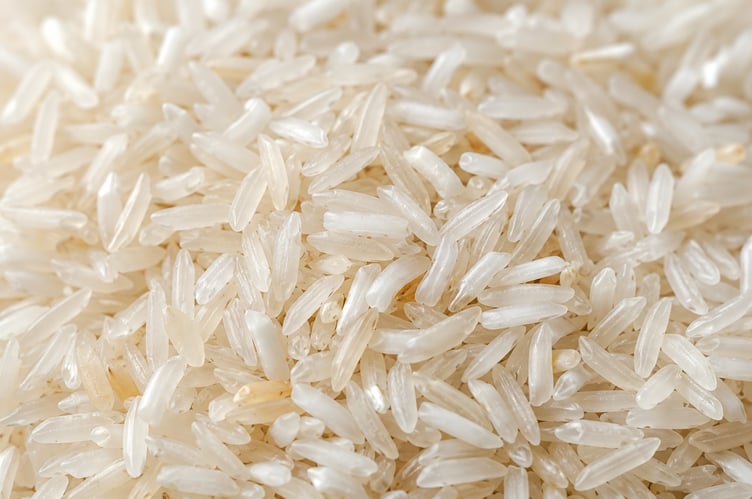
Even perfectly cooked rice can feel disappointing if flavor and aroma are weak.
Problem: Rice tastes bland
Causes:
• Low-quality or old rice
• Over-washing (removes surface flavor)
• No seasoning support
Fixes:
• Use fresher rice
• Avoid over-rinsing
• Add slight salt during cooking (optional)
Where Rice Tech oil helps:
Oil enhances perceived flavor by:
• Improving aroma release
• Creating a richer mouthfeel
• Helping seasonings (salt, soy sauce) distribute more evenly when used in mixed rice dishes
A small amount of oil can make rice feel “restaurant-style” rather than plain home rice.
For more in-depth information, please see the following article:
・Rice Quality Management|Improve Grain Texture and Kitchen Efficiency with Rice
Cooking Oil
Usage Problems: Too Much Leftover Rice
Leftover rice is one of the most common household inefficiencies.
Problem: Too much leftover rice
Instead of discarding or repeatedly reheating plain rice, it should be repurposed.
Fixes / uses:
• Fried rice (egg + vegetables + protein)
• Rice bowls with sauces
• Congee / rice soup
• Pan-fried rice cakes
Where Rice Tech oil helps:
Oil plays an essential role in transforming leftover rice:
• Enables frying and crisping
• Prevents sticking in pan cooking
• Improves texture when reheating fried rice
Without oil, leftover rice tends to clump and break poorly.
For more in-depth information, please see the following article:
・Delicious Rice That Lasts: Selecting the Right Oil for Cooking
Health & Diet Concerns: Eating Rice Better
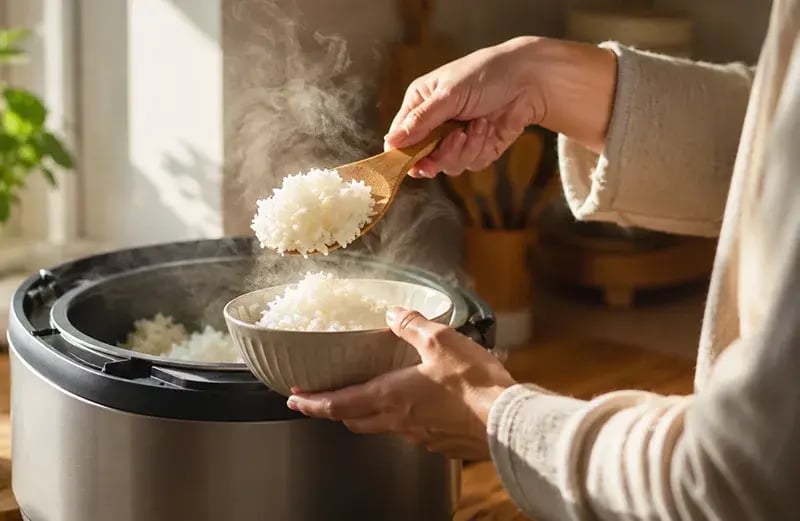
Rice is often misunderstood in dieting contexts, but it can fit into a healthy diet when managed correctly.
Problem: Concern about carbohydrates
Fixes:
• Control portion size rather than eliminating rice
• Combine rice with protein and vegetables
• Add fiber-rich foods (beans, legumes)
Where Rice Tech oil helps:
While oil adds calories, small amounts can:
• Slow gastric emptying
• Reduce rapid glucose spikes when combined in meals
• Improve satiety (feeling full longer)
Used correctly, oil is not just a cooking tool but a meal balance tool.
For more in-depth information, please see the following article:
・Onigiri: The Japanese Everyday Food That Makes Healthy Eating Simple
What This Means for Your Rice
Cooking oils are one of the ingredient categories where the Non-GMO discussion frequently arises.
Many commonly used vegetable oils in North America are derived from crops where genetically modified varieties are widely cultivated. These include soybeans, canola (rapeseed), and corn.
According to data from the U.S. Department of Agriculture (USDA), genetically modified varieties account for the majority of soybean and corn production in the United States.
Because genetically modified crops are common in large-scale agriculture, producing Non-GMO oils requires careful sourcing and supply chain management.